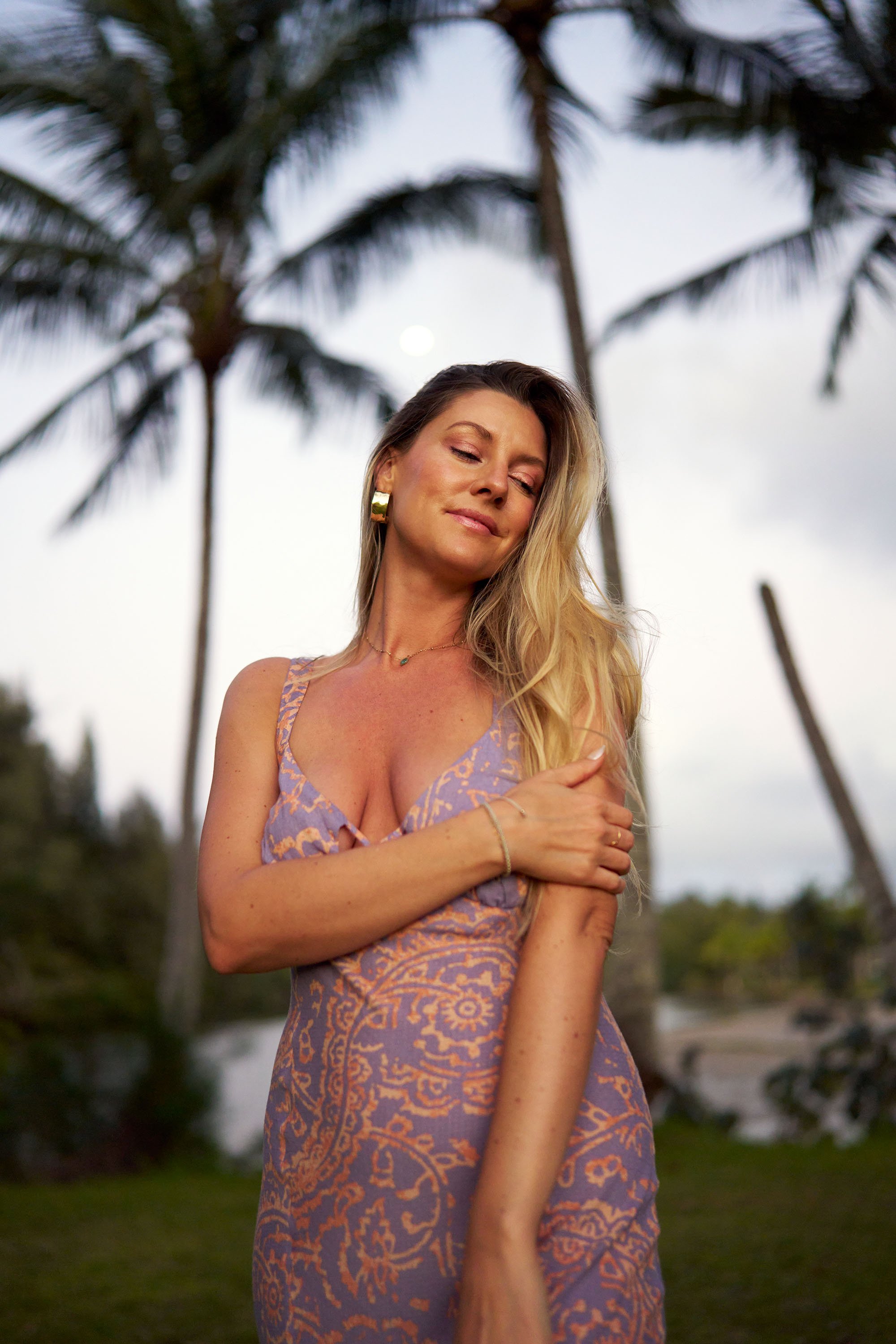
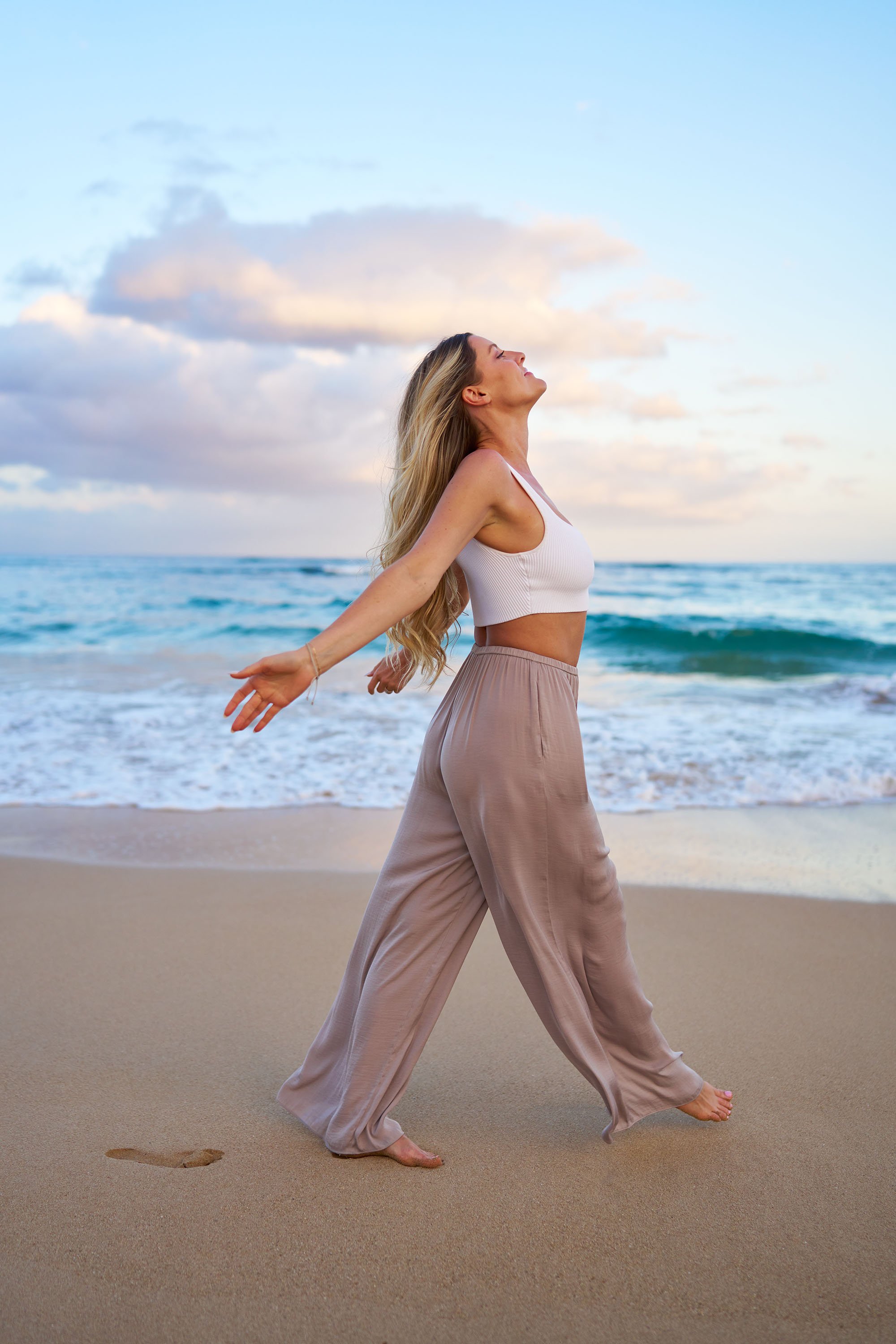
Natural light provides a sense of depth and dimension
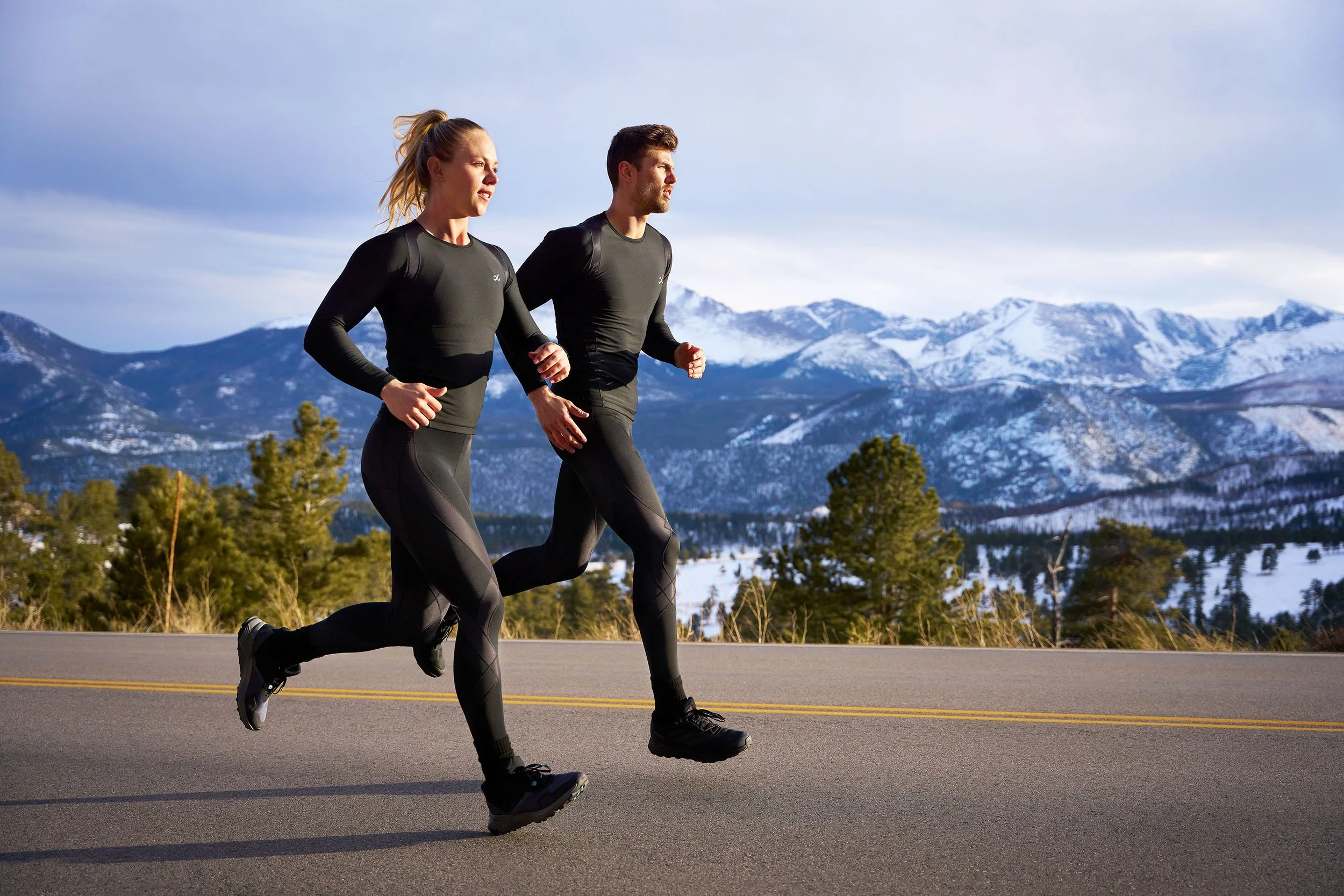
Natural light can also create a sense of depth and dimension in photographs. The way the sunlight falls on the subject can create a shadow or highlight, which can give the photo a three-dimensional look. Moreover, natural light can also reveal texture and patterns in the subject, making the photo more appealing and intriguing.
Natural light is cost-effective
Another advantage of natural light is that it is cost-effective. You don't have to spend money on expensive lighting equipment or rent a studio to achieve good lighting. All you need to do is find a good location with ample sunlight, and you're good to go. Also, natural light is available everywhere, whether you're shooting outdoors or indoors near a window.
Natural light is versatile
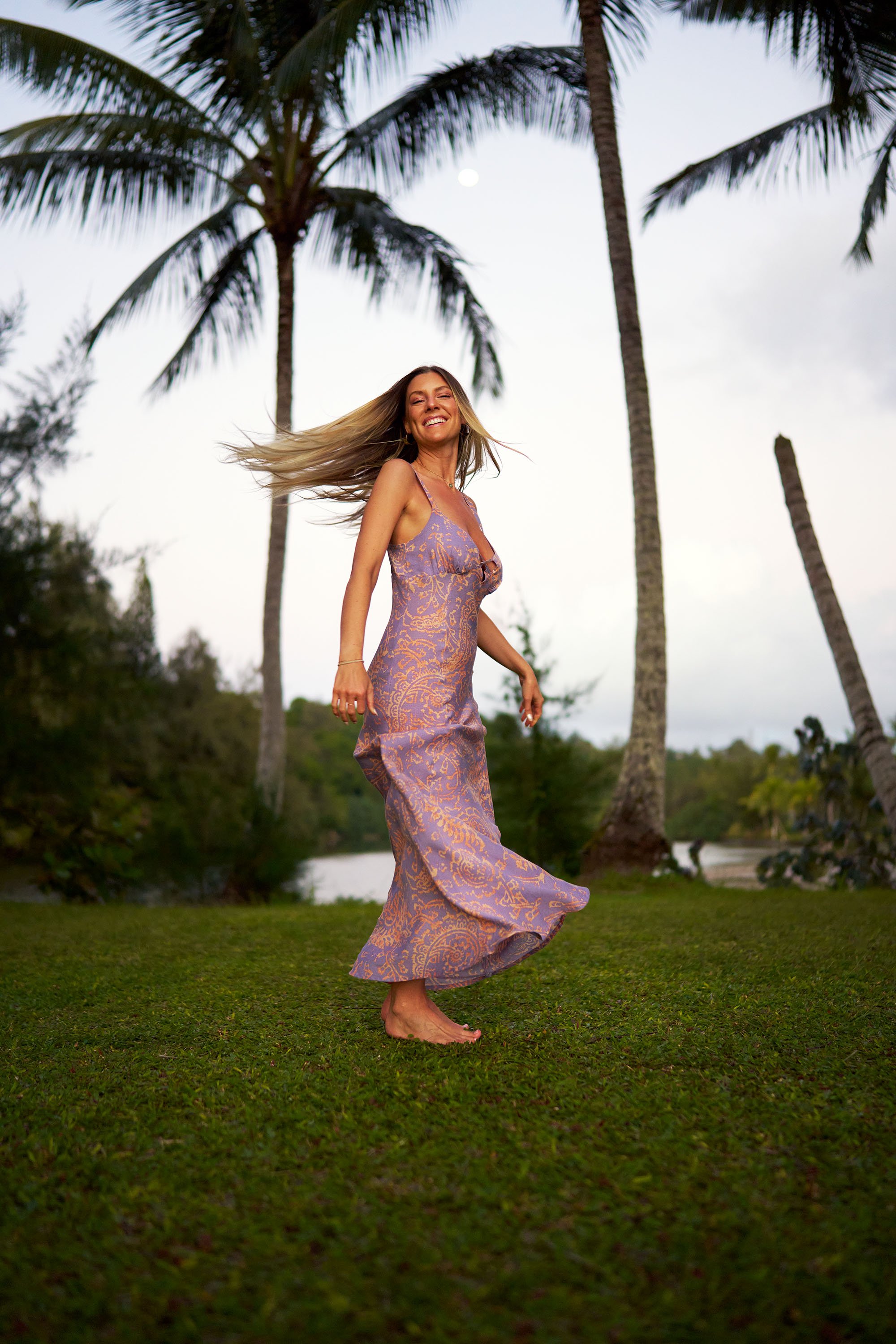
Natural light is also versatile, as it changes throughout the day. The quality and intensity of the light depend on the time of day, weather conditions, and location. You can take advantage of different lighting conditions to create many different moods and styles in your images. For example, you can shoot during the golden hour, when the sun is low in the sky, to achieve a warm, glowing effect. Alternatively, you can shoot during the blue hour, when the sun has set but the sky still has some light, to create a dramatic and moody atmosphere.
Natural light can improve your skills
Finally, using natural light can also improve your photography skills by forcing you to adjust on the go. Since natural light is constantly changing, you need to be able to adapt to these changes and adjust your camera settings and compositions accordingly. This requires a good understanding of exposure, composition, and lighting, which are all essential skills in photography. Additionally, using natural light forces you to be creative and resourceful, as it challenges you to find the best lighting conditions in any given situation.
Natural lighting has a lot of benefits for photography, from enhancing the mood and tone of your images to improving your skills as a photographer. After all, we have seen natural sunlight our entire life so it’s only natural that we have an affliction for it. However, it's important to remember that natural light is not always available or practical, especially when working indoors or in low light situations. In these instances, you may need to use artificial lighting to achieve the desired look. The key is to understand the strengths and limitations of both natural and artificial lighting and use them to your advantage. By doing so, you can create stunning images that capture the beauty and essence of your subject. Lighting is often times a defining factor when determining someone’s styles and could be a reason why clients gravitate towards working with you.
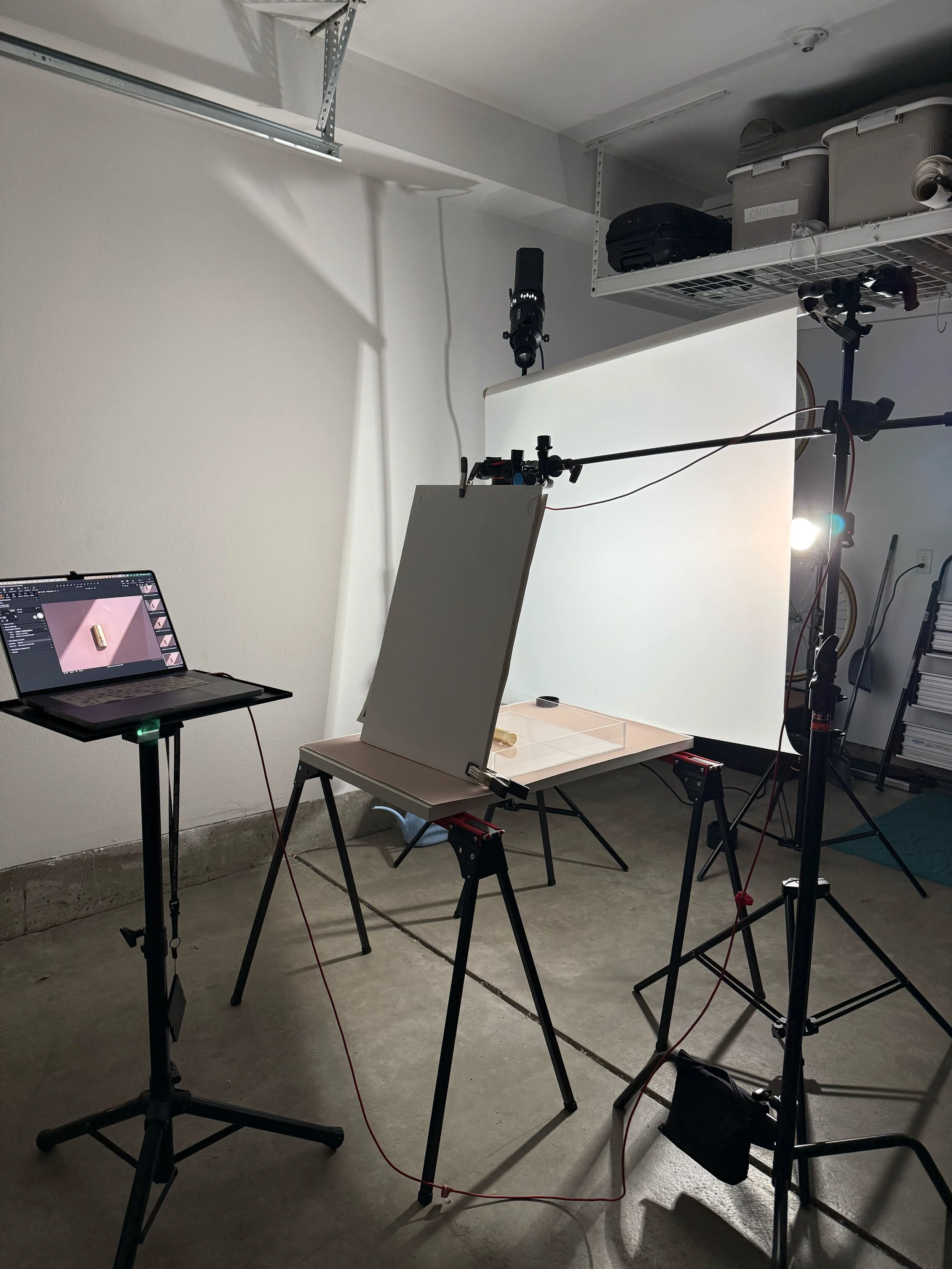
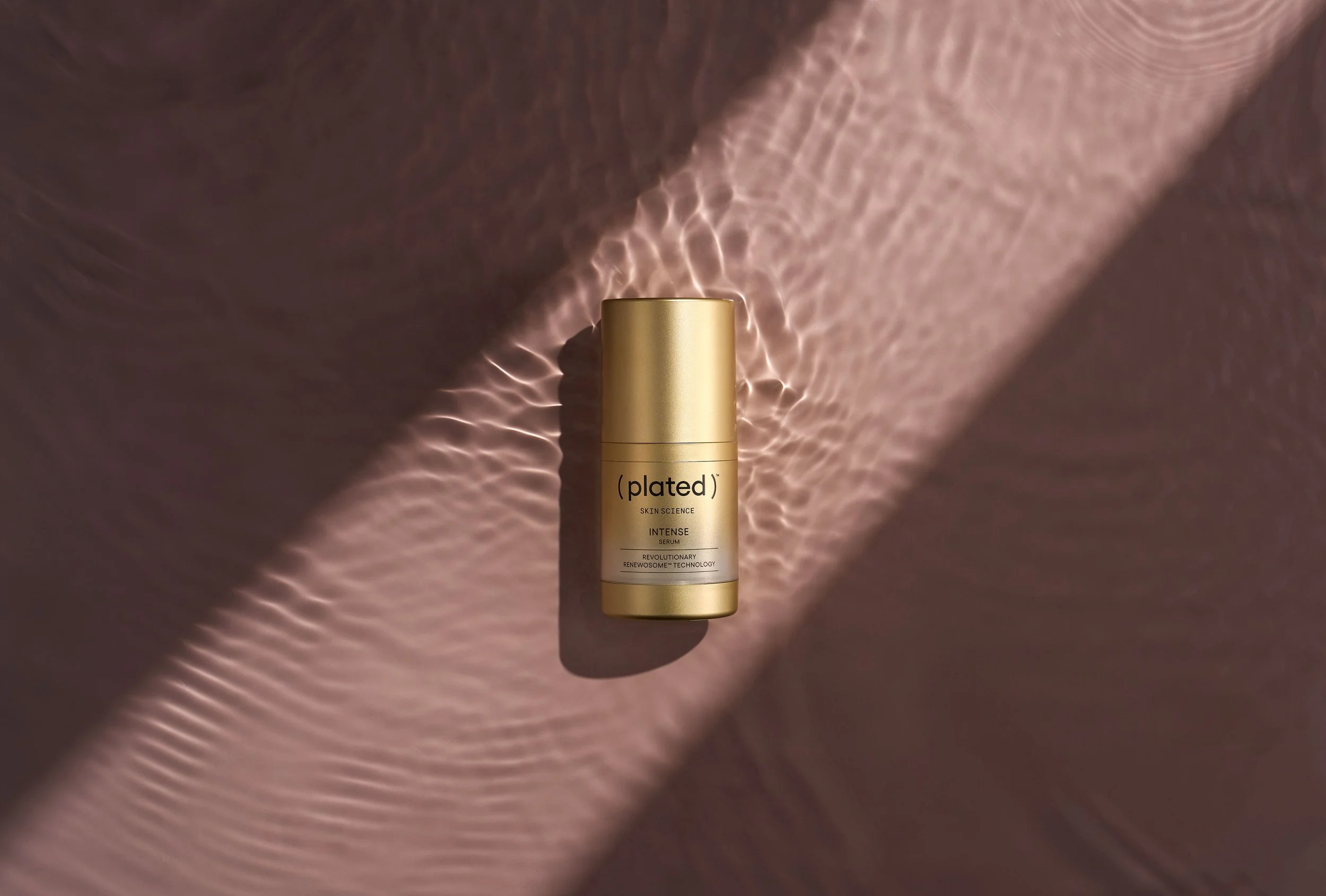
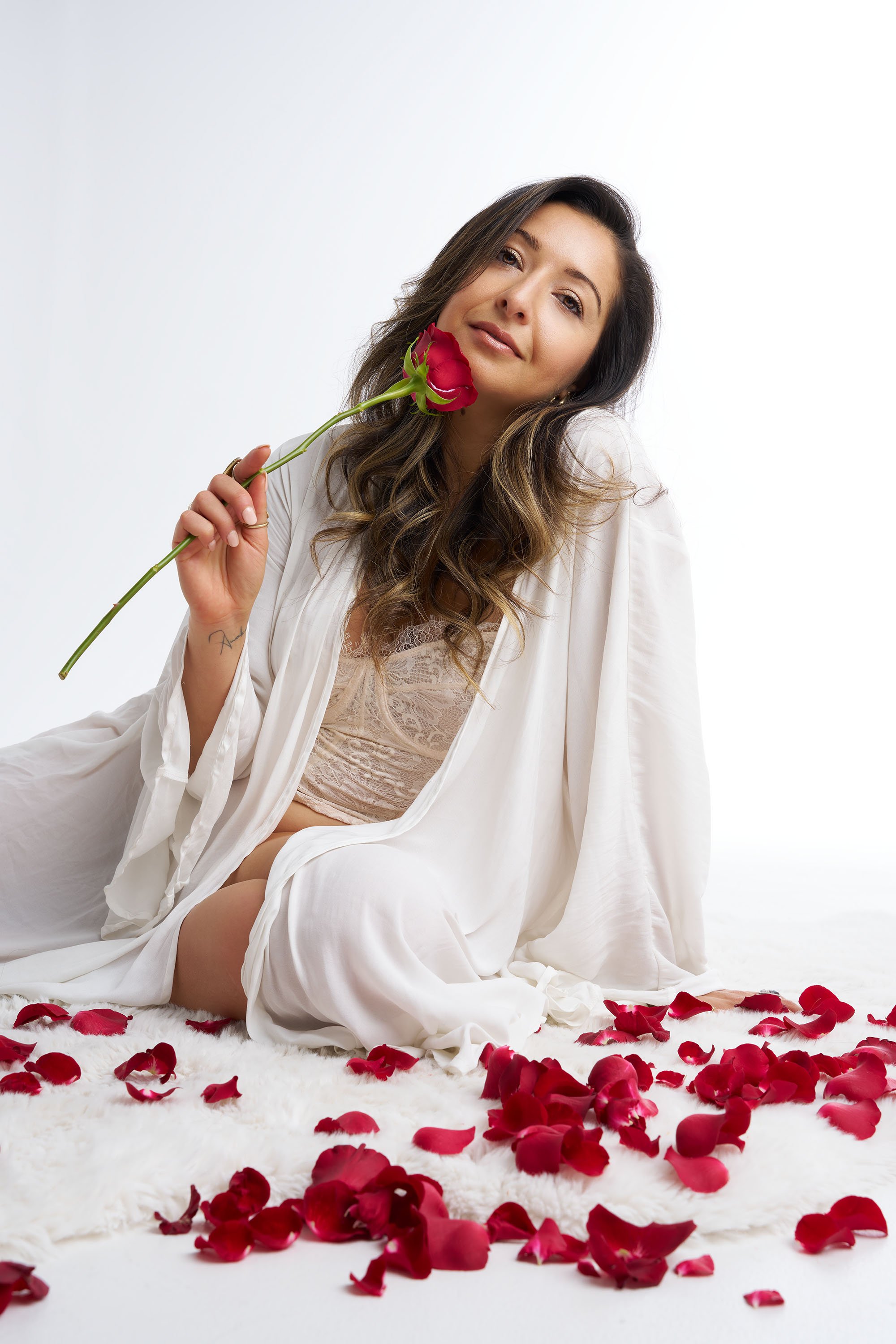
Artificial lighting enables you to dial in a scene and keep it consistent as long as your light and settings don’t change or move. Shooting with lights in a studio sort of gives you a blank canvas in terms of being creative. You can add props, colored gels over your lighting, and use modifiers to really help dial in the mood you’re looking to create. Using lighting on-location is also very dynamic because you can balance your exposure with your lighting to create some interesting looks. I would argue that artificial lighting is more versatile than natural light because you have a wide array of modifiers to use depending on which need you have. You can control the power of each light to your liking in order to control the scene you are crafting. Most continuous lighting setups include a RGB or Kelvin temperature dial so you don’t even need colored gels in some instances when altering the color of your lights.
Below are a few different looks that I created for my client in a short studio session - something that would be nearly impossible if trying to do with natural light only.